Mobile Cranes in Australia: The Ultimate Guide to Types, Hire, and Regulations
Mobile cranes play a vital role in Australia’s booming construction, mining, infrastructure, and industrial sectors. From lifting heavy materials on urban skyscraper sites to supporting remote mining operations, these versatile machines ensure projects run efficiently and safely. If you’re searching for “mobile cranes Australia” or considering “mobile crane hire Australia,” this comprehensive guide covers everything you need to know, including types, regulations, top providers, and tips for selection. Whether you’re a project manager, contractor, or industry enthusiast, read on to discover how mobile cranes can elevate your next venture.
What Are Mobile Cranes and Why Are They Essential in Australia?
A mobile crane is a lifting device mounted on a wheeled or tracked chassis, designed for easy transport and setup without fixed runways. Unlike static tower cranes, mobile cranes rely on gravity for stability and can move loads while traveling in some cases. In Australia, where diverse terrains range from city streets to rugged outback sites, mobile cranes are indispensable for tasks like building bridges, installing wind turbines, and handling cargo at ports.
Australia’s construction industry alone is projected to grow significantly, driving demand for reliable mobile crane solutions. These cranes offer flexibility, reducing downtime and costs compared to fixed alternatives. With advancements in technology, modern mobile cranes feature enhanced safety systems, higher capacities, and better fuel efficiency, making them a go-to choice for projects nationwide.
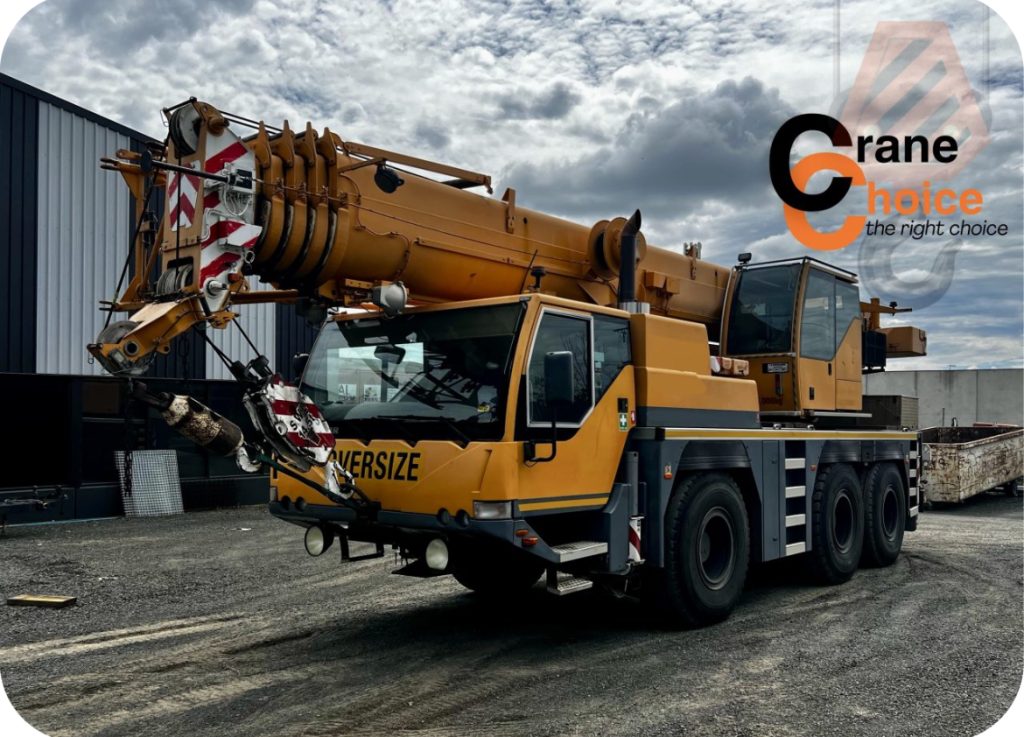
Types of Mobile Cranes Commonly Used in Australia
Australia’s mobile crane market includes a variety of types tailored to different environments and lifting needs. Here’s a breakdown of the most popular ones:
1. All-Terrain Cranes
All-terrain cranes combine the mobility of truck-mounted cranes with off-road capabilities. They feature multiple axles, all-wheel drive, and steering for navigating highways and rough sites. In Australia, they’re ideal for urban-rural transitions, such as infrastructure projects in Sydney or Melbourne.
▫️Pros: Versatile for on- and off-road use; high lifting capacities (up to 1,200 tonnes in some models).
▫️Cons: Higher cost due to advanced features.
▫️Applications: Wind farm installations, bridge construction.
2. Rough Terrain Cranes
Designed for uneven ground, rough terrain cranes have large tires and a compact design. They’re perfect for Australia’s remote mining areas or construction sites with limited access.
▫️Pros: Excellent maneuverability on soft or rocky surfaces; quick setup.
▫️Cons: Limited highway speed; not suited for long-distance travel.
▫️Applications: Oil and gas fields, rural developments.
3. Truck-Mounted Cranes
These cranes are mounted on standard trucks, allowing fast road travel. In Australia, they’re common for quick-response jobs like emergency repairs or urban lifting.
▫️Pros: High mobility on roads; cost-effective for short-term hires.
▫️Cons: Less stable on rough terrain without outriggers.
▫️Applications: Utility work, signage installation.
4. Crawler Cranes
Crawler cranes use tracks (like tanks) for movement, providing superior stability on soft ground. Lattice boom versions are popular for heavy lifts in Australia.
▫️Pros: High load capacity (up to 1,600 tonnes); no need for outriggers.
▫️Cons: Slow transport; requires disassembly for relocation.
▫️Applications: Large-scale mining, port operations.
5. Pick-and-Carry (Non-Slewing) Cranes
Also known as Franna cranes in Australia, these non-slewing models can “pick and carry” loads while moving. They’re compact and agile for tight spaces.
▫️Pros: No outriggers needed; great for indoor or confined sites.
▫️Cons: Lower capacity (typically up to 25 tonnes); limited boom rotation.
▫️Applications: Factory maintenance, warehouse lifting.
6. Slewing Mobile Cranes
These include hydraulic and lattice boom cranes that allow full rotation. They’re the backbone of many Australian projects, with capacities varying by model.
▫️Pros: 360-degree slewing for precise positioning.
▫️Cons: Requires stable setup with outriggers.
▫️Applications: High-rise construction, heavy machinery assembly.
Other variants like city cranes (compact for urban areas) and telescopic handlers (multi-purpose) are also prevalent. Brands like Liebherr, XCMG, and Terex dominate the market, offering models suited to Australia’s harsh conditions.
▫️alliedcranehirenewcastle.co.au
▫️craneservices.com.au
▫️amaccranes.com.au
▫️australiancranes.com.au
▫️stgeorgecranes.com.au
▫️hilinecranes.com.au
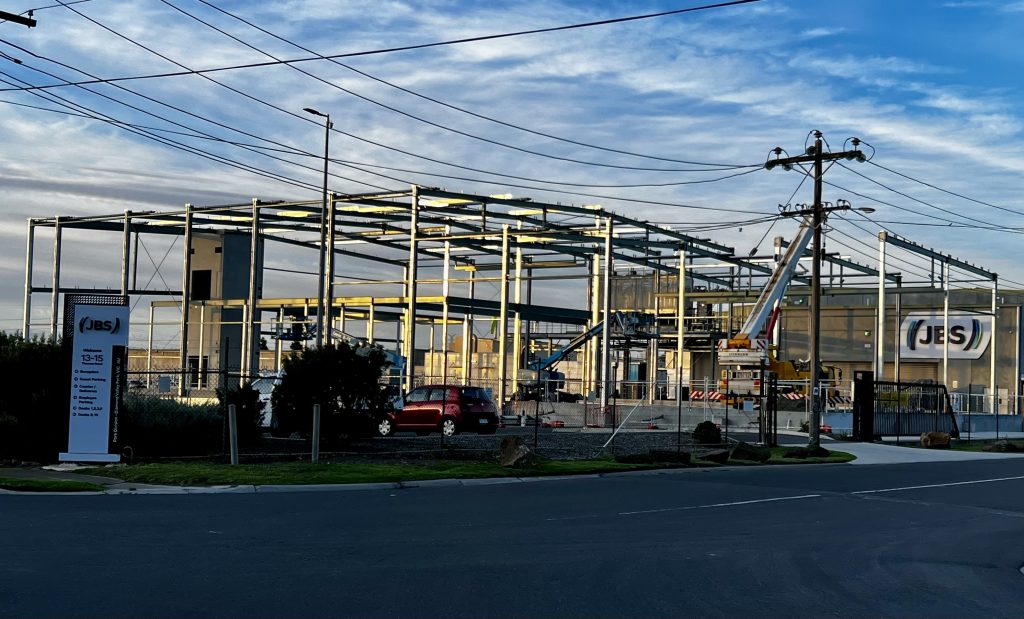
Regulations and Safety Standards for Mobile Cranes in Australia
Safety is paramount in the Australian crane industry, governed by Work Health and Safety (WHS) laws across states and territories. Key regulations include:
▫️High Risk Work Licences: Operators must hold HRW licences from SafeWork Australia or state equivalents. For slewing mobile cranes, classes range from C2 (up to 20 tonnes) to CO (over 100 tonnes). Non-slewing cranes require a CN licence if over 3 tonnes.
▫️Design and Registration: Cranes must comply with Australian Standards like AS 1418 (Cranes, Hoists, and Winches) and AS 2550 (Safe Use). Plant registration is required for most mobile cranes under WHS regulations.
▫️Inspections and Maintenance: Major inspections every 10 years (or as per manufacturer) involve stripping critical components. Annual checks and pre-use inspections are mandatory. The Mobile Crane Code of Practice (2024) provides detailed guidance on risk management.
safeworkaustralia.gov.au
worksafe.qld.gov.au
worksafe.wa.gov.au
▫️Chain of Responsibility (CoR): Under the Heavy Vehicle National Law (HVNL), all parties—from owners to hirers—must ensure safe transport and operation. The Crane Industry Council of Australia (CICA) offers a Code of Practice for compliance. nhvr.gov.au
SafeWork NSW and other regulators conduct site visits to enforce these rules, focusing on licences, load charts, and ground stability. Always consult your state authority (e.g., WorkSafe QLD) for specifics.
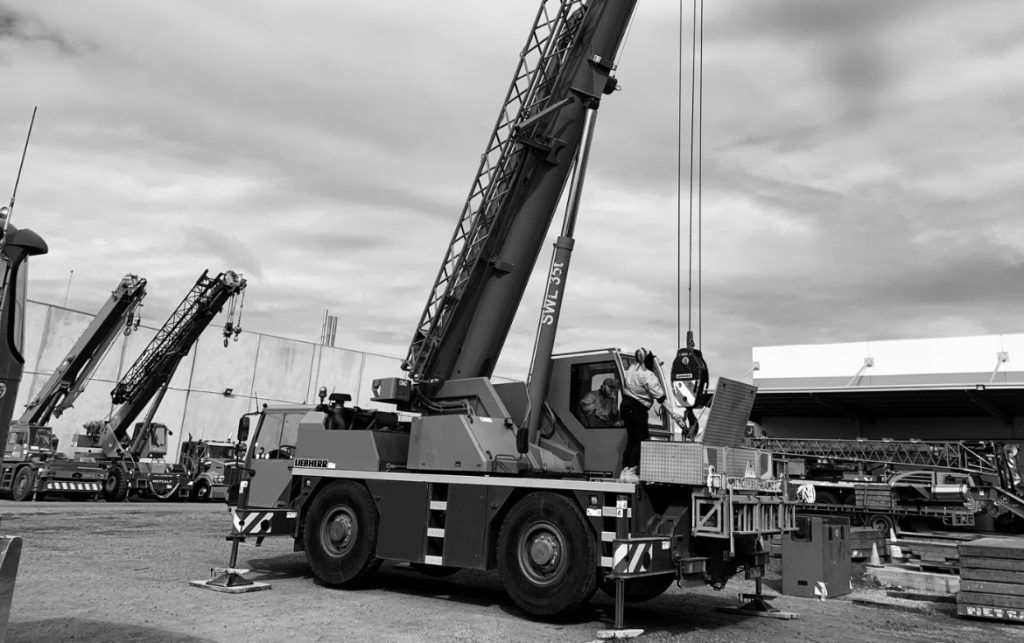
Top Mobile Crane Hire Companies in Australia
When it comes to “mobile crane hire Australia,” several reputable providers stand out with nationwide fleets:
▫️Titan Cranes: Offers a fleet including the Liebherr LTM 1350-6.1, with services in Sydney, Canberra, and beyond.
titancranes.com.au
▫️Mammoet Australia: Boasts the world’s largest equipment fleet, including mobile and crawler cranes, with depots in Brisbane, Melbourne, and Perth.
mammoet.com
▫️Borger Cranes: Features cranes from 3 to 750 tonnes, catering to diverse lifting needs. borgercranes.com
▫️Tutt Bryant Heavy Lift & Shift: Operates Australia’s largest crawler crane (1,600 tonnes) and various mobile types across key locations.
tuttbryant.com.au
▫️Universal Cranes: Trusted for over 30 years, providing crane hire, rigging, and logistics nationwide.
universalcranes.com
▫️Johnson & Young Cranes: Specializes in reliable hire, rigging, and transport services Australia-wide.
jycranes.com.au
▫️BSF Mobile Cranes: Brisbane-based with mini to 200-tonne crawlers.
bsfmobilecranes.com.au
▫️WGC Cranes: One of the largest fleets (3 to 800 tonnes) across Australia.
wgccranes.com.au
Choose based on location, capacity, and project requirements—many offer 24/7 support.
How to Choose the Right Mobile Crane for Your Project
Selecting the ideal mobile crane involves assessing:
▫️Load Capacity and Reach: Calculate maximum weight and height needed.
▫️Site Conditions: Opt for rough terrain or crawler models for uneven ground.
▫️Mobility Needs: All-terrain for mixed environments; pick-and-carry for confined spaces.
▫️Budget and Duration: Hire vs. buy; factor in transport costs.
▫️Safety Features: Ensure compliance with load indicators and anti-two-block systems.
Consult experts for a site assessment to avoid costly mistakes.
amaccranes.com.au
safeworkaustralia.gov.au
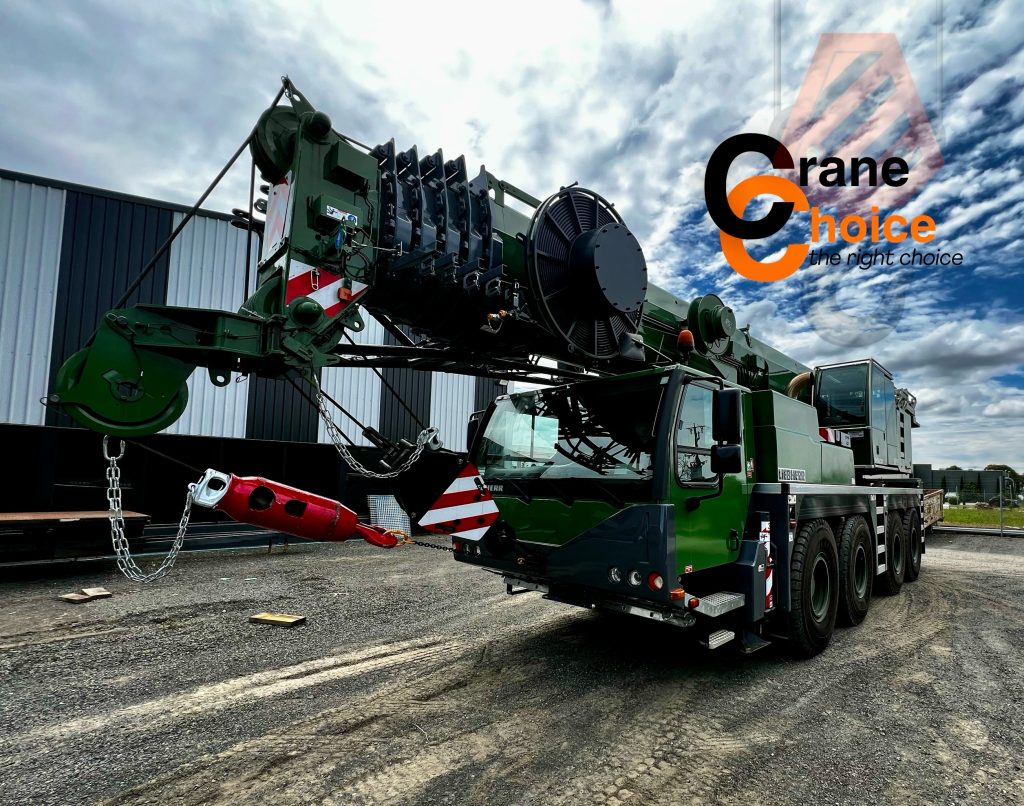
Benefits of Mobile Cranes in Australian Projects
Mobile cranes boost productivity by offering quick setup, versatility, and reduced labor needs. They minimize site disruption, enhance safety through precise controls, and adapt to Australia’s varied climates—from coastal humidity to desert heat. Environmentally, newer models feature lower emissions, aligning with sustainable building practices.
In summary, mobile cranes are the backbone of efficient lifting in Australia. By understanding types, adhering to regulations, and partnering with top hirers, you can ensure your project soars. Ready to lift? Contact a local provider today for tailored advice on mobile crane hire in Australia.
Australia's largest and most recognized used crane seller with over 37 years of experience within the crane industry. A family run business that aims to provide a professional service for both sellers and buyers. We take all the hard work out of selling your crane by opening up your advertisement to a worldwide viewing of customers that use our site plus our emailing out to clients on our data base.

Smooth, trustworthy transactions between buyers and sellers backed by 40 years of crane industry experience.
© 2024 Crane Choice | All Rights Reserved


